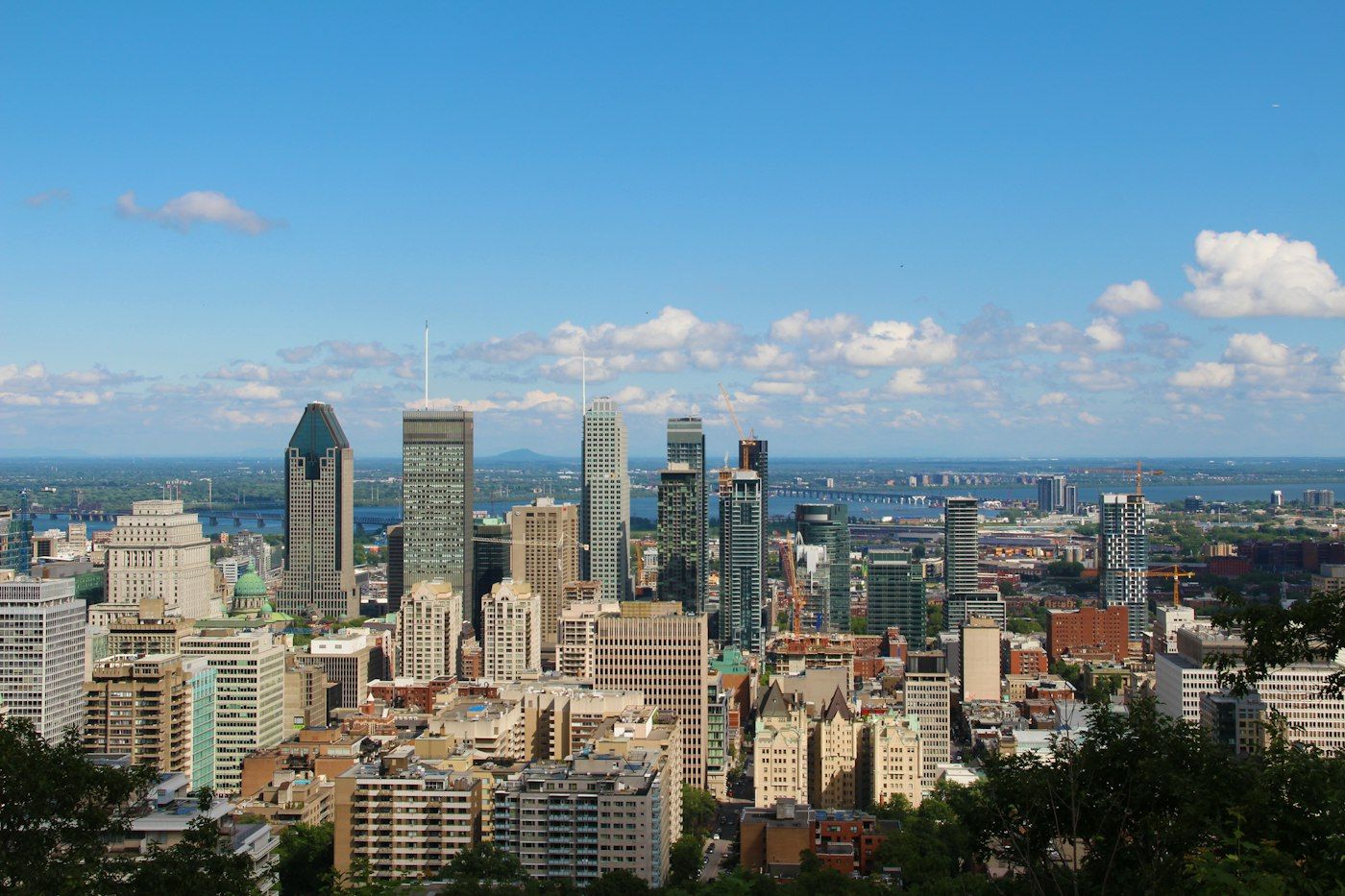
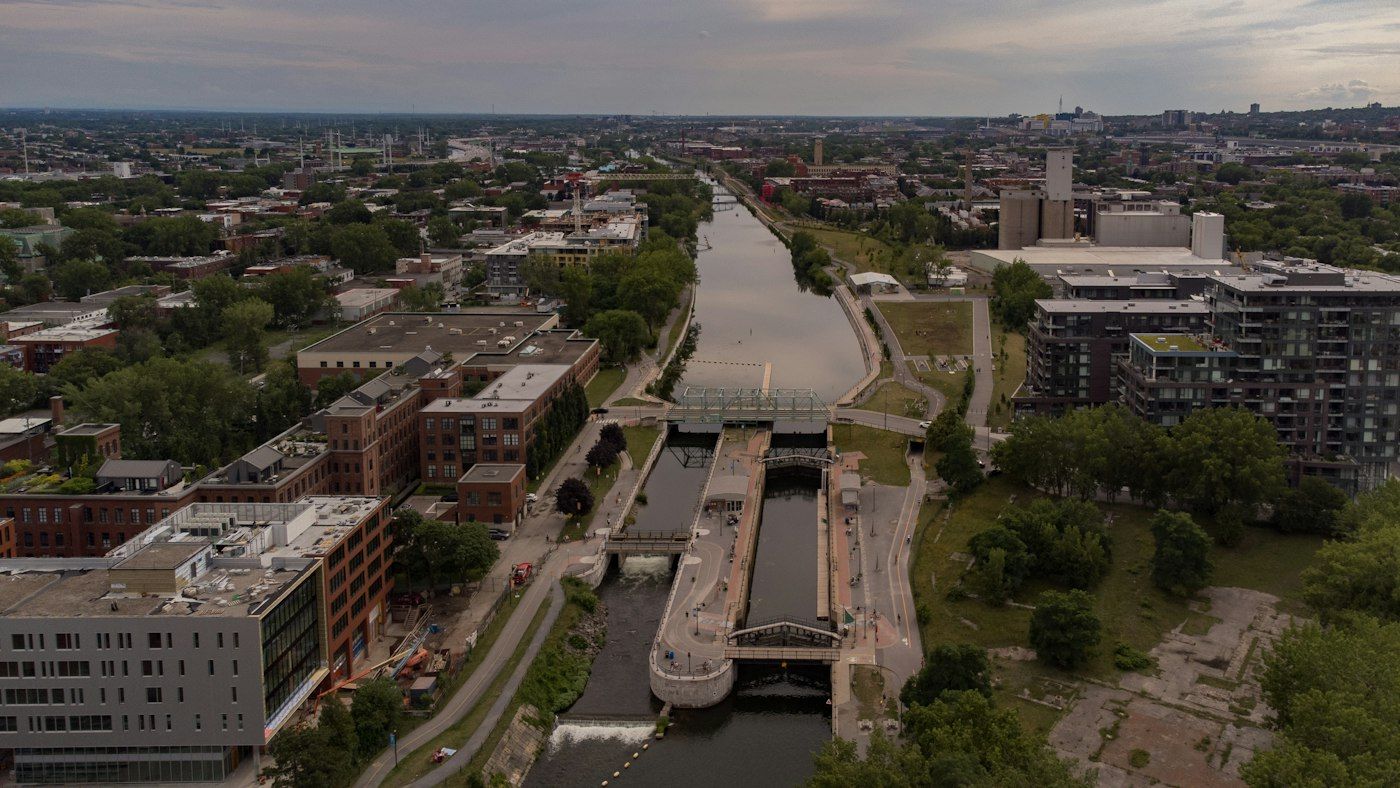
Montreal's plex market is one of the most distinctive features of its real estate landscape. The city has a higher proportion of multi-unit small residential buildings than virtually any other major Canadian city, a legacy of the province's unique housing development history and its rent control framework. For investors and owner-occupants willing to navigate the complexity, the opportunity is real.
The Structure of the Opportunity
A well-purchased triplex in Montreal offers an owner-occupant the ability to live in one unit while the rental income from the other two units offsets a substantial portion of carrying costs. In current market conditions, a $1.1 million triplex in a neighbourhood like Rosemont or NDG can generate $3,800-$4,800 per month in gross rental income from the two tenant-occupied units, meaningfully reducing the effective monthly cost of ownership.
Over time, as the building is held and rental rates increase, the owner's net carrying cost decreases further while the asset appreciates. This leveraged return structure is difficult to replicate in other asset classes at this price point.
The Quebec Rental Framework: What You Need to Understand
Quebec operates under the Tribunal administratif du logement (TAL), which regulates residential rental increases through an annual permitted increase formula. New owners of investment buildings cannot simply reset rents to market rates upon purchase. Understanding the current rents, the lease structure, and the occupancy status of all units is fundamental due diligence that must precede any offer on a plex.
The critical concept is the distinction between occupied and vacant units. A vacant unit at time of purchase can be set at market rent. An occupied unit is subject to the existing lease and TAL-regulated increases. In buildings where long-term tenants are paying significantly below-market rents, the path to market-rate income is long and regulated.
Evaluating a Plex: The Five Numbers That Matter
- Gross rental income: Total current rents across all units. Compare to market rents for equivalent units in the neighbourhood.
- Capitalization rate: Net operating income divided by purchase price. Montreal plexes typically trade at 3.5-5% cap rates, depending on neighbourhood and building condition.
- Rent-to-price ratio: Monthly gross rent divided by purchase price. Aim for at least 0.4% to ensure reasonable cash flow coverage.
- Deferred maintenance: A professional inspection should include all building systems: roof, foundation, windows, electrical, plumbing, and heating. Estimate repair costs before finalizing any offer.
- Below-market rent discount: If units are occupied at below-market rates, calculate the discount to market value and factor it into your offer.
The Neighbourhoods to Focus On
Rosemont-La Petite-Patrie offers the strongest combination of rental demand, neighbourhood trajectory, and relative affordability within the inner city. Villeray-Saint-Michel has emerged as a compelling secondary option for investors who missed the Rosemont wave. NDG and Cote-des-Neiges offer strong fundamentals driven by university proximity and transit access.
The plex is not a passive investment. It is a business that requires active management, understanding of your legal obligations as a landlord in Quebec, and a long time horizon. Buyers who approach it with this mindset consistently outperform those who expect a hands-off experience.
The Tax Considerations
The tax treatment of a plex depends significantly on whether you occupy one of the units. Owner-occupants benefit from the principal residence exemption on their portion of the building at sale. Non-owner-occupied investment properties are fully subject to capital gains tax on appreciation. The proper structuring of this from the outset, in consultation with a Quebec tax accountant, can materially affect your after-tax return. This is not optional due diligence.