The Plateau-Mont-Royal has become Montreal's most analyzed, most debated, and most consistently outperforming residential neighbourhood. It has weathered interest rate shocks, pandemic-era disruptions, and supply concerns with a resilience that demands an explanation beyond vague references to its desirability.
The Supply Constraint Is Structural
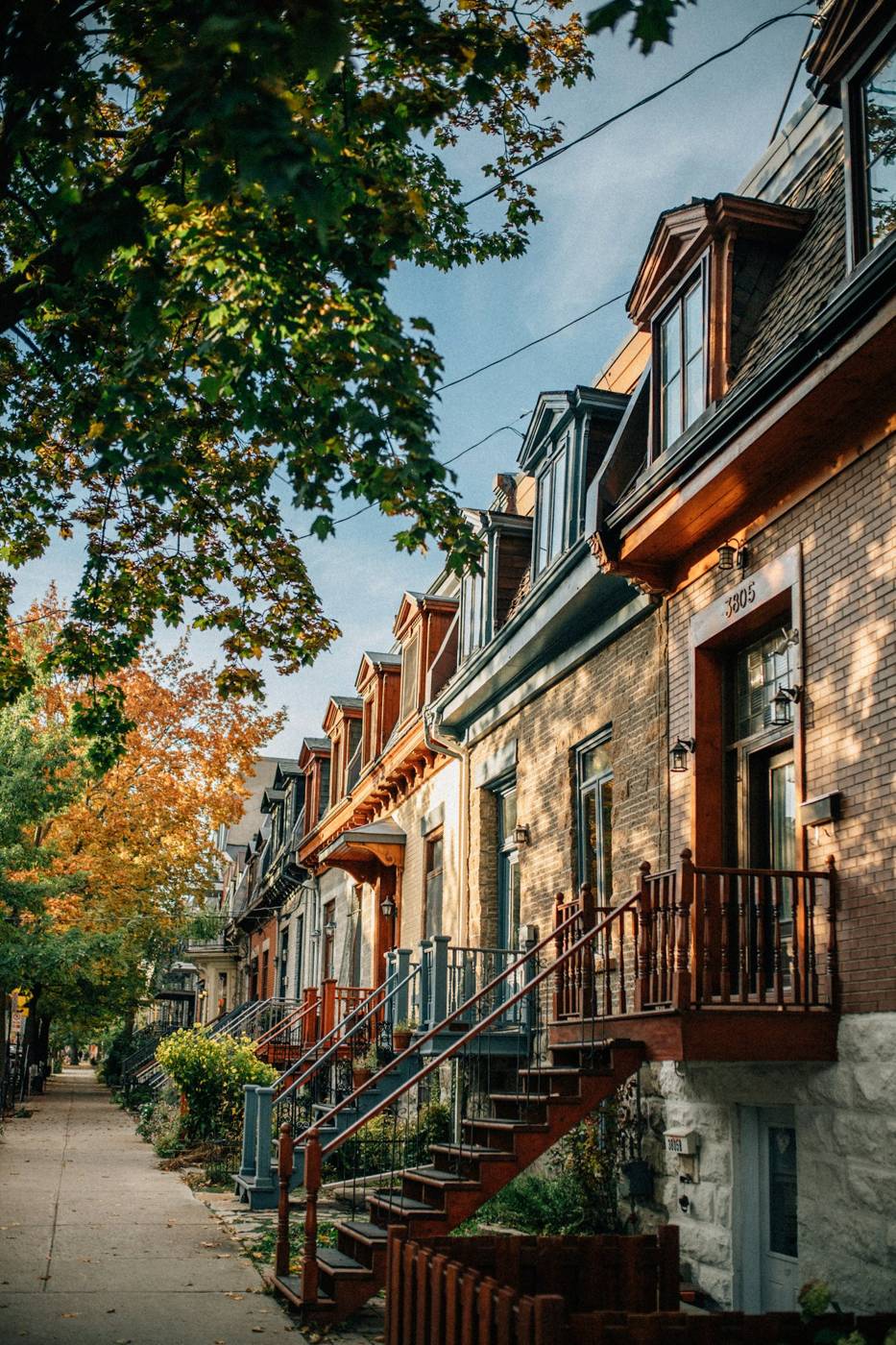
The Plateau is a built-out, heritage-dense neighbourhood. The vast majority of its housing stock was constructed between 1880 and 1940, comprising attached two and three-storey flat-roofed rowhouses, duplexes, triplexes, and the occasional freestanding Victorian. New construction is exceptionally rare. The city's heritage protection framework and neighbourhood density restrictions mean the supply of detached and semi-detached properties is essentially fixed.
When you have fixed supply and consistently growing demand, the price equation is relatively simple. The interesting question is why demand remains so robust.
The Demographic Drivers
The Plateau attracts a specific and highly durable demographic: educated, culture-oriented professionals and families who prioritize walkability, neighbourhood character, and proximity to the city's arts and restaurant scene. This cohort has above-average purchasing power and below-average price sensitivity relative to the broader market. They are also sticky. Once established in the neighbourhood, Plateau residents tend to trade up within it rather than leaving.
The second demographic driver is the university proximity. With McGill to the west and UQAM to the south, the Plateau benefits from a constant supply of graduates who establish themselves in the neighbourhood as students and aspire to return as buyers once they have built sufficient equity and income.
The Investment Case
For investors, the Plateau's plex market (duplexes, triplexes, quadruplexes) represents a compelling long-term proposition. Rental vacancy in the neighbourhood is chronically low, and rental prices have increased materially over the past five years. An owner-occupant in a triplex can offset substantial carrying costs through rental income while building equity in a supply-constrained market.
The risk is price at acquisition. Given that the Plateau consistently trades at a premium to the island average, entry-level properties have moved beyond reach for many first-time buyers. The sweet spot today tends to be smaller condominiums in the $450,000-$580,000 range for owner-occupants, or larger plexes in the $1.1-$1.8 million range for investors with sufficient capital.
What to Look For, and What to Avoid
Not all Plateau properties are created equal. The streets immediately adjacent to Mont-Royal Avenue and Laurier command premiums that are well-supported. Properties further east toward Papineau carry more variability. The strongest value retention historically correlates with proximity to the park itself and access to metro stations on the orange line.
Watch for buildings with deferred maintenance, particularly roof structures, exterior brick repointing, and the ever-present concern of inadequate drainage systems. The Plateau's housing stock ages gracefully when maintained and deteriorates quickly when neglected.
The Plateau is not where you find a deal. It is where you make a sound long-term investment in a neighbourhood that has demonstrated an exceptional ability to retain and grow value through multiple market cycles.