Outremont is Montreal's clearest example of a premium residential market that operates on its own logic. While neighbouring areas see activity fluctuate with interest rates and buyer sentiment, Outremont's property values have demonstrated a consistency that makes it one of the most reliable long-term holds in the city.
Understanding the Supply Dynamics
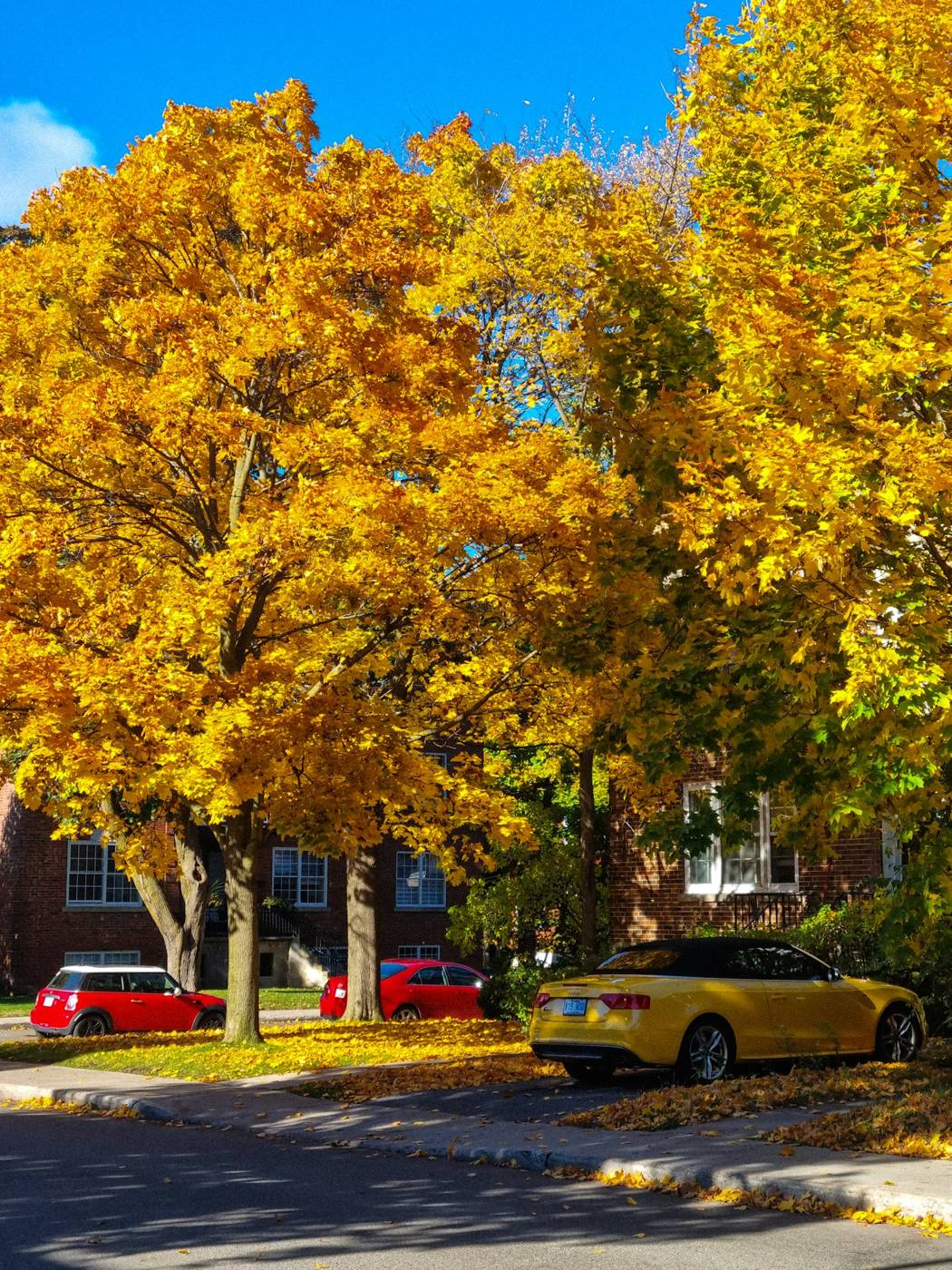
Outremont's residential streets are characterized by large Victorian and Edwardian homes on generous lots, interspersed with elegant duplexes and period apartment buildings. The neighbourhood is landlocked, surrounded by institutional uses (Universite de Montreal occupies a significant portion of the bordering area), parks, and established commercial corridors. There is effectively no space for new residential development of any scale.
In Q1 2026, the total number of residential sales in Outremont was 34. This is a micro-market by definition, and it requires a different analytical framework than higher-volume neighbourhoods. Single data points, including your own potential sale, carry meaningful weight in a market this size.
Who Buys in Outremont
The Outremont buyer profile is distinctive. You are largely dealing with senior professionals, successful entrepreneurs, and established families who are making long-term lifestyle decisions rather than near-term investment optimizations. Price sensitivity is lower than the broader market average. These buyers have typically sold a previous property with substantial equity and are not highly leveraged.
This buyer profile creates resilience through market cycles. When broader markets contract because of financing cost pressure, Outremont's buyers are disproportionately cash-heavy or modestly leveraged. The pain that triggers forced selling elsewhere is largely absent here.
The Valuation Challenge
Because sales volume is so low, conducting a conventional CMA in Outremont requires looking at a broader time window and making more subjective adjustments than in higher-volume markets. Properties in this neighbourhood genuinely do vary more significantly: lot size, architectural significance, renovation quality, and the specific block all affect value in ways that square-footage analysis alone cannot capture.
This is one market where the broker's direct knowledge of individual properties and recent off-market transactions matters more than it does elsewhere. Many Outremont transactions occur before properties reach Centris, through a network of active buyers and their representatives.
The Investment Thesis for Outremont
For buyers with sufficient capital, Outremont offers an asymmetric risk-reward profile. The downside is limited by the structural characteristics described above. The upside is participation in a neighbourhood that has appreciated consistently over 20 years and shows no structural reason for that trend to reverse. The trade-off is that entry prices are high, liquidity is limited, and the holding period required to generate strong returns is longer than in more liquid markets.