Most sellers open the conversation with commission. It is the wrong first question, not because commission does not matter, but because it is the only variable that is easy to compare, which makes it the one everybody compares. The number that actually determines your outcome is what you net at the notary, and that number is decided by pricing, preparation, marketing reach and negotiation long before anyone discusses a rate.
This is what a listing mandate should actually contain in Montreal, what the Quebec framework adds that no other province has, and the questions that separate a broker who will do the work from one who will simply take the listing.
What full service actually includes
"Full service" is used loosely enough to be meaningless. Here is the concrete list. If a broker cannot walk you through each of these and tell you specifically how they handle it, they are not offering it.
Before the property goes live: a written comparative market analysis using sold comparables from the last 60 to 90 days; a walkthrough with honest preparation feedback; coordination of professional photography and, where the price point justifies it, video; completion and review of the mandatory seller's declaration; and a deliberate decision about when to list rather than listing the moment the paperwork is signed.
While it is listed: managing every showing request (scheduling, access, concierge and security logistics in buildings that have them); following up with each visiting broker for real feedback rather than politeness; and monitoring what competing properties do. If a comparable unit lists $30,000 below yours on a Thursday, you should hear about it Friday with a recommendation, not discover it three weeks later in a market update.
When offers arrive: presenting every offer with all of its terms explained, not just the price. Deposit size, conditions, closing date and the inclusions list all change what an offer is actually worth. A $710,000 offer with a financing condition and a 90-day close is not obviously better than $700,000 firm in 45.
Through to closing: coordinating two brokers, two notaries, the buyer's lender and the inspector, tracking every condition deadline, and resolving what the inspection turns up. You should not be managing that timeline yourself.
What Quebec adds that no other province has
Three things make selling here structurally different, and a broker who treats Quebec as "Canada, but in French" will cost you money.
The seller's declaration (Déclaration du vendeur). A mandatory legal document requiring you to disclose known defects. Errors and omissions in it expose you to claims after the sale has closed. This is the single largest post-transaction liability a Quebec seller carries, and it deserves a careful, unhurried conversation rather than a signature on the way out the door.
The Promise to Purchase is binding on acceptance. Not a letter of intent, not an offer to negotiate. Once both parties sign and conditions are waived, both are committed, and backing out exposes the retreating party to a claim for damages.
Closings run through a notary, not a lawyer. The notary is a neutral officer of the law rather than an advocate for either side, and the coordination between two notaries, the lender and both brokers has a rhythm that only comes from doing it repeatedly.
Pricing is the hardest part, and it is where most sales are lost
Your property's market value is not what you paid, not what you spent on renovations, and not what you need to net for the next purchase. It is what a qualified buyer will pay today given the alternatives available to them this week.
Price too high and the property sits. Buyers assume something is wrong. In a market where they can see the full Centris history, they are watching the days accumulate. Subsequent reductions rarely recover the value, because the market has already rendered a verdict. Price too low and you leave real money behind.
How much room there is to get this wrong depends enormously on where you are, which is the argument for neighbourhood-level analysis over island-wide averages. In the second quarter of 2026, single-family homes in Westmount sat an average of 95 days on market. In Le Sud-Ouest they moved in 38. Plateau condominiums cleared in 38 days and Rosemont condominiums in 36, while Ville-Marie condominiums took 87. Those are four completely different pricing problems, and a broker working from a citywide median is solving none of them.
The psychology nobody warns you about
Sellers are human. The house where you raised your children carries weight that a buyer does not feel and will not pay for. Buyers see square footage, condition, location and comparative value. You see fifteen years. Bridging that gap objectively is genuinely difficult without a third party whose job is to tell you the truth, and it is the reason "buying the listing" (a broker inflating their suggested price to win the mandate) works so reliably as a tactic. If one broker's number is dramatically higher than the others, ask to see the comparables that support it.
Preparation and staging
Real staging guidance starts weeks before listing, not the day before the photographer arrives. It means walking the property with you and naming specific changes (repaint that room, remove half this furniture, fix the thing you have stopped noticing) and either providing the recommendations directly or connecting you with a stager at a negotiated rate.
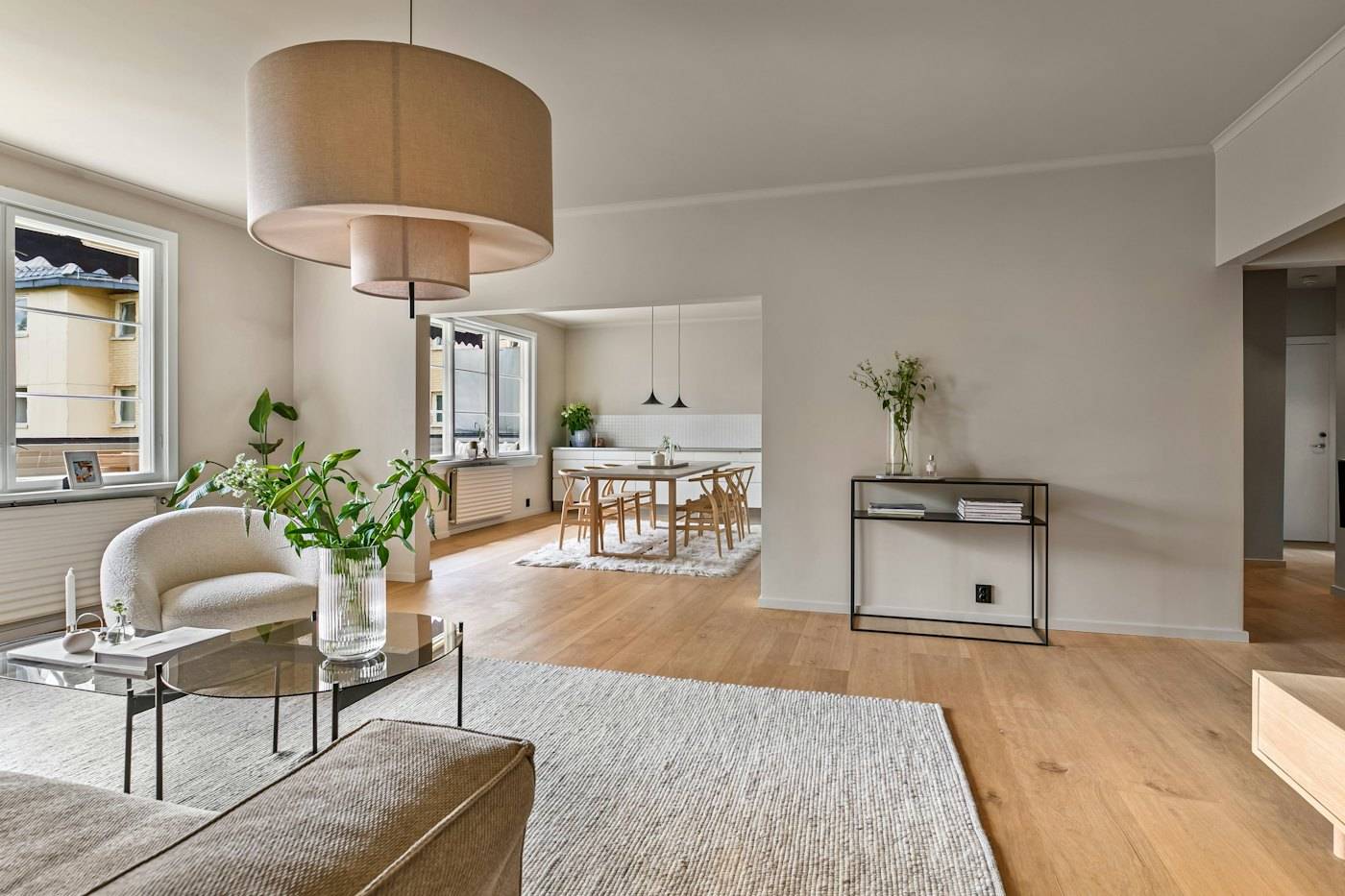
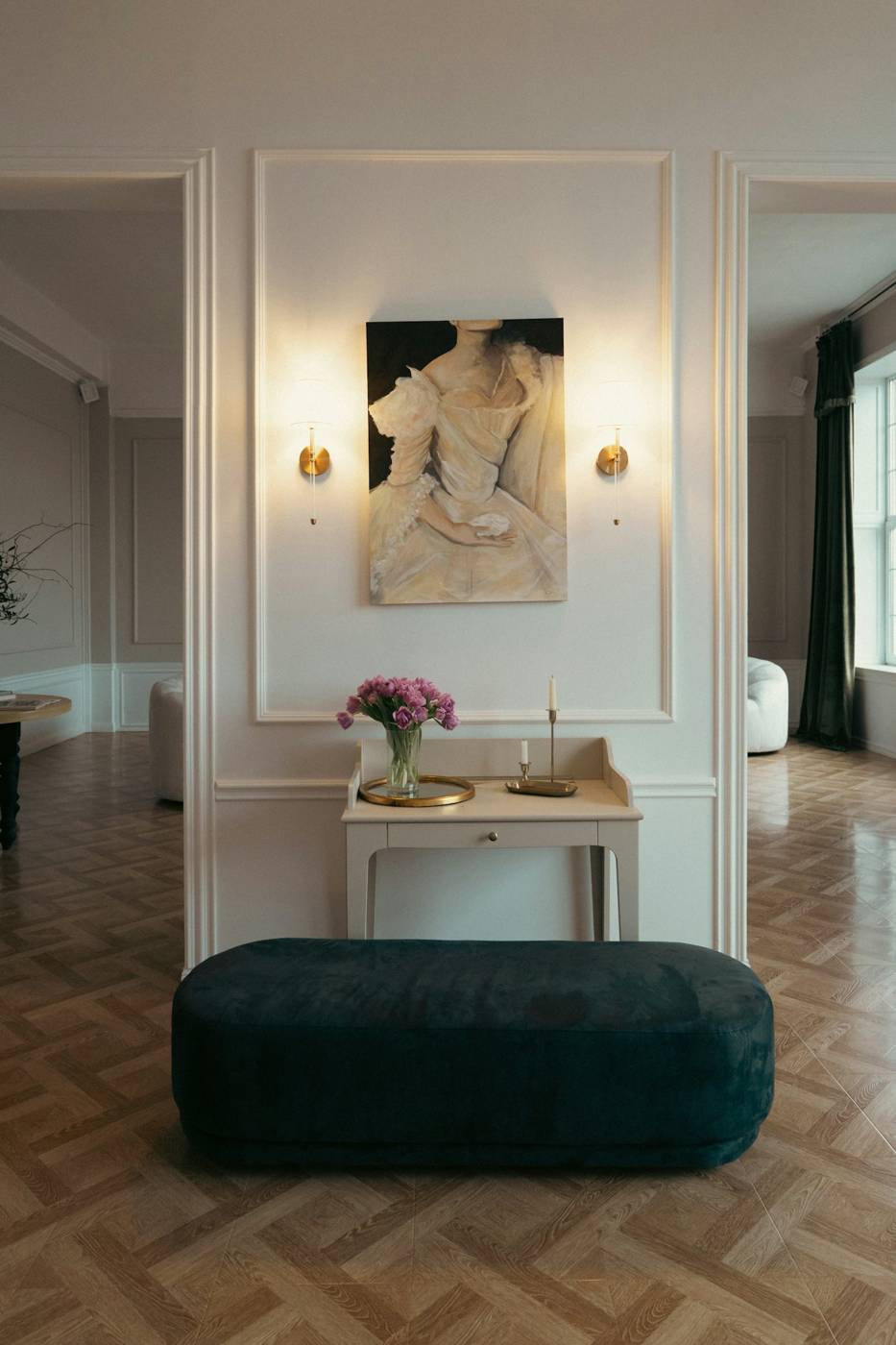
Staging is not decorating and it is not about anyone's taste. It is about letting the largest possible number of buyers picture themselves in the space. That usually means removing what is personal, neutralising bold choices, arranging furniture to suggest room, and repairing the deferred maintenance that buyers will mentally price at three times its actual cost.
A broker who looks around and says "it shows beautifully, let's list" is choosing the path of least resistance. Honest pre-listing feedback is uncomfortable to give and it is the clearest signal that someone is working for your outcome rather than for the signature.
Marketing that actually moves a property
Centris is the floor, not the ceiling. Every listing is on Centris; that is not a marketing plan.
Photography is the highest-return preparation spend on almost any property, because for most buyers the first filter is a thumbnail on a phone. This matters most in the condominium segment, where buyers routinely build their shortlist entirely from photographs before booking a single visit.
Listing copy that names the property's real differentiators rather than reaching for the standard vocabulary. How a property is described, categorised and tagged changes which searches it surfaces in.
Targeted distribution beyond the portal: social advertising aimed at the demographic that actually buys this property type in this area, and email to active buyers. In Montreal's condominium market, reaching the right fifty buyers is worth more than reaching five thousand indifferent ones.
Broker network activation. A meaningful share of transactions in premium neighbourhoods begin broker to broker, before public listing. An active network lets you test pricing with qualified buyers and occasionally produce an offer before competitors know the property exists.
Bilingual reach. Montreal's buyer pool genuinely operates in both languages, and premium properties draw from both. Marketing in only one halves the qualified audience.
How multiple offers are engineered
Competing offers are the best outcome available to a seller: upward price pressure and leverage on conditions. On well-positioned properties in active Montreal neighbourhoods they are achievable, and they are the product of a strategy rather than luck.
The mechanics: price to attract broad interest rather than to anchor at a number; compress showings into a defined window (often a weekend, or four to five days) and set an offer presentation date; have the property genuinely ready, because buyers in competitive situations are far less tolerant of deferred maintenance when they know others are watching; and warm the broker network before day one.
An open-ended "bring offers anytime" schedule dismantles all of it. Buyers who know they have time will take it.
Discount and flat-fee models: when they make sense
They make sense for a narrow group: sellers with genuine transactional experience who need portal access and nothing else, in a market segment where the property will sell itself.
For everyone else the arithmetic is unforgiving in a way that is easy to miss, because the commission saving is visible and immediate while the price difference is invisible and arrives at closing. On a $700,000 sale, a two-point commission saving is $14,000. A sale price 3% below what the property could have achieved is $21,000, and you will never see the counterfactual. That is the whole trade, and it is why the right question is what you net, not what you pay.
Commission in Quebec is negotiable. My fee is 4% of the sale price, plus GST and QST on the commission. A broker who cuts their rate is often also cutting their marketing investment and their negotiating time. Ask directly what changes at the lower number.
Seven questions to ask before you sign anything
The answers tell you more than any credential:
- What have you sold within 500 metres of my address in the past twelve months?
- Can I see the comparables behind your suggested price, and the last three listings you photographed?
- Will you walk through before listing and tell me honestly what needs to change?
- What is your plan if we have no offers after two weeks, and at what point do you recommend a price adjustment?
- How will you communicate with me, and how often?
- What exactly do you spend on marketing this property, and what changes if the commission changes?
- Who handles the coordination with the notaries and the lender between accepted offer and closing?
Common questions
What does it cost to sell a house in Montreal?
Broker commission is negotiable. Mine is 4%, plus GST and QST on the commission. On a $700,000 sale, that is $28,000 plus about $4,200 in GST and QST. Add the seller's notary fee ($800–$1,500), any mortgage discharge penalty if you are breaking your term, and preparation costs. The number that matters is the net, and it is worth calculating before you set a list price rather than discovering it at closing.
How long does it take to sell in Montreal?
It depends far more on where you are than on the market overall. In the second quarter of 2026, days on market ranged from 36 in Rosemont's condominium segment to 95 for single-family homes in Westmount. Ask for the figure for your sector and property type, not the island-wide average.
Should I sell before I buy?
It depends on your financing and your tolerance for carrying two properties or none. A conditional-on-sale offer is weaker in a competitive situation, and bridge financing has a cost. This is a conversation to have with your broker and your mortgage broker together, before either transaction starts.
Do I have to pay the buyer's broker?
In the standard Quebec arrangement the commission agreed in your listing mandate is divided between the listing broker and the buyer's broker. It is a single negotiated figure, not two.
What is the seller's declaration and can I skip it?
No. It is mandatory, and it requires disclosure of defects known to you. Getting it wrong is the largest post-sale liability a Quebec seller carries. Take the time to complete it carefully.
The short version
Accurate pricing, a genuinely prepared property, marketing that reaches beyond the portal, and someone experienced handling the negotiation. Each one compounds the others, and getting one right while neglecting the rest still leaves money on the table.
If you are thinking about selling in the next year, the most useful thing you can do now is get a real evaluation of what your property would bring today, with the comparables attached rather than a number on its own. Start here, or look at the current numbers for your neighbourhood.